2026年11月10日
トロールの森2026
昨日から降り続いた雨は、季節がひと足先に冬へ向かおうとしていることを告げるように、気温を下げていた。私は午後、雲の切れ間から現れた晴天を逃さず、善福寺池のほとりに展開されている「トロールの森2026」を訪ねた。
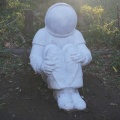
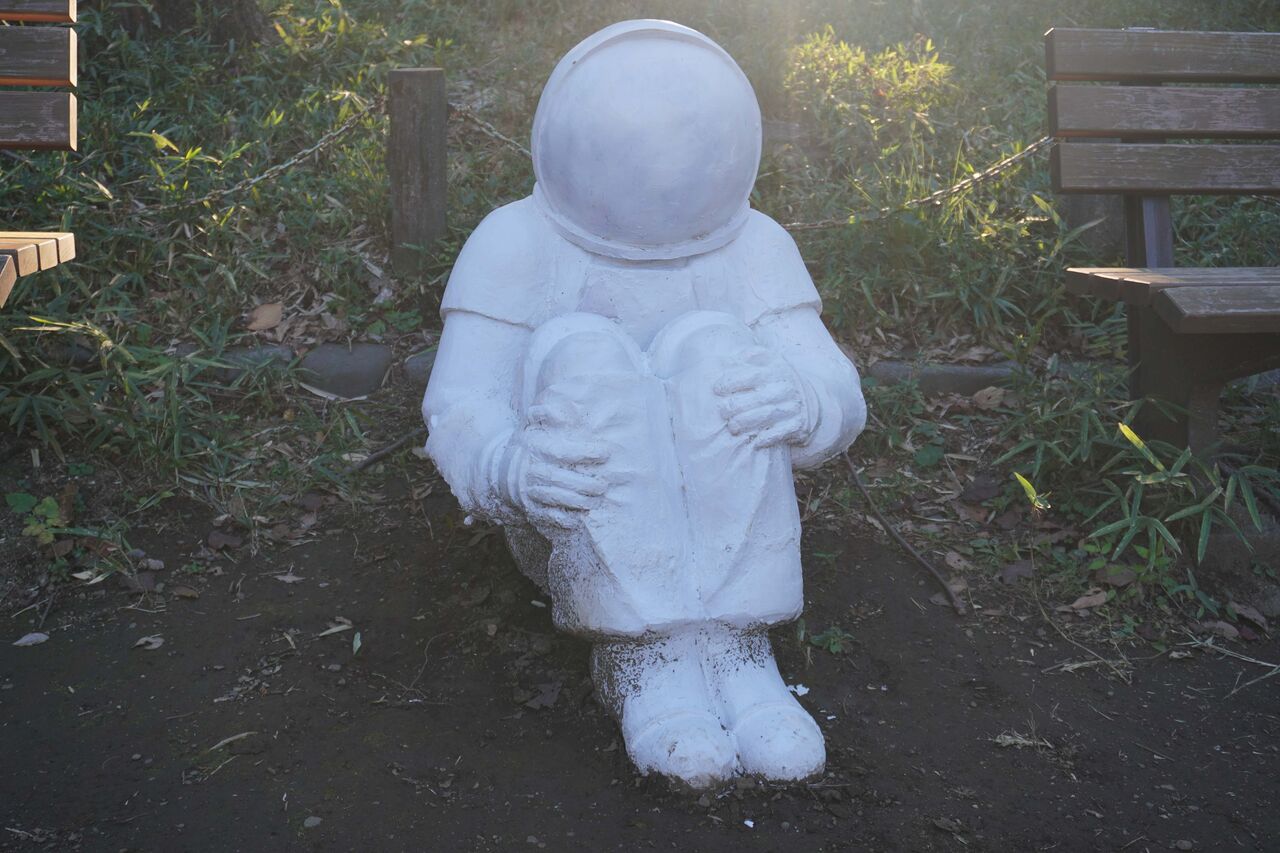
今日、私の足を止めたのは、中野桜子さんの作品「空からきた」である。そこには、ロケットを思わせる形をした雲があり、その雲から、どうしたはずみか、うっかり地上へ落ちてしまった宇宙飛行士がいる。
宇宙飛行士は、いったいどこからやって来たのだろう。そして、彼が乗っていた雲は、本当に雲だったのだろうか。作品には、見る者の想像力をそっと解き放つ仕掛けがある。中野さんは、宇宙飛行士と一緒に、空に浮かぶ雲を別の何かに見立てる、そんな空目の遊びを楽しんでほしいという思いを込めたのだという。
私たちは、日常のなかで、見慣れたものを見慣れたものとして受け入れ、そこに別の世界が潜んでいる可能性を忘れがちである。しかし、雲は時として船になり、動物になり、あるいは遠い宇宙からやって来た乗り物にもなる。善福寺池の静かな水辺で、私はしばらく空を見上げていた。地上に不時着した宇宙飛行士とともに、私自身もまた、日常から少しだけ離れた別の世界へ旅立っていたのかもしれない。
The rain, which had continued falling
since the previous day, had brought the temperature down, as though announcing
that the season was preparing to move into winter a little ahead of time. In
the afternoon, taking advantage of a brief spell of sunshine that emerged
through a break in the clouds, I visited Trolls in the Park 2026, an
outdoor art exhibition unfolding along the shores of Zenpukuji Pond.
Today, the work that made me stop and
take a closer look was “From the Sky” by Sakurako Nakano. It depicts a
cloud shaped rather like a rocket, from which an astronaut appears to have
somehow, through an unfortunate mishap, tumbled down to earth.
Where on earth had this astronaut come
from? And was the cloud he had been riding really a cloud at all? The work
contains a gentle invitation to set one's imagination free. Nakano explains
that she hopes visitors will enjoy, together with the astronaut, the playful
illusion of seeing something other than a cloud in the shapes floating across
the sky.
In our everyday lives, we tend to
accept familiar things simply as what they appear to be, often forgetting that
another world may be hidden within them. Yet a cloud can sometimes become a
ship, an animal, or even a spacecraft arriving from the distant reaches of the
universe.
Standing beside the tranquil waters of
Zenpukuji Pond, I found myself gazing up at the sky for some time. Perhaps,
together with the astronaut who had made an emergency landing on earth, I too
had embarked on a journey, leaving the familiar world of everyday life behind,
if only for a little while.
2026年11月09日
早稲田大学建築学科2年先輩の同窓会に参加させて頂いた。
降雨もあって気温は一向に上がらず、冬の訪れを思わせる寒い一日であった。そのような天候のなか、赤坂の「うまや」で、早稲田大学建築学科の二年先輩にあたる方々との同窓会が開かれた。
食卓を囲みながら、野尻明美先輩から地震についての考察や火山学に関するお話を伺った。地震という、人間の営みを根底から揺さぶる自然の力について、また火山という地球の内部に秘められた巨大なエネルギーについて、話題は広がり、参加者の間で活発な討論が交わされた。建築を学んだ者にとって、自然の力と人間の生活との関係を考えることは、決して遠い専門領域の問題ではない。
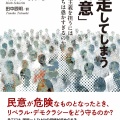
私も最近刊行した著書『暴走してしまう「民意」』を皆さんにお配りし、その内容について説明する機会をいただいた。民主主義とは何か、民意とはどこまで信頼できるものなのか。そうした問いを、長年建築という学問と実務に携わってきた同窓の方々に聞いていただくことには、また別の意味があるように思われた。
このところ、二年先輩の同窓会に参加させていただく機会が続いている。そこには、私自身が歩んできた時間とは異なる経験と知識があり、話を伺うたびに新しい発見がある。年齢を重ねても、他者の経験から学び、自分の考えを問い直すことができる。そのような場を持てることを、私は何よりも有難く思っている。
Rain fell throughout the day, and the
temperature showed no sign of rising. It was a cold day, one that brought to
mind the approaching winter. Despite the unpleasant weather, a reunion was held
at Umaya, a restaurant in Akasaka, with alumni who had entered the Department
of Architecture at Waseda University two years before me.
Over dinner, I had the pleasure of
listening to our senior colleague, Akemi Nojiri, share her thoughts on
earthquakes and her knowledge of volcanology. Our conversation ranged from
earthquakes, the natural forces that can shake the very foundations of human
life, to volcanoes, which harbor immense energy deep within the Earth. Lively
discussions followed among the participants. For those of us who studied
architecture, reflecting on the relationship between the forces of nature and
human life is by no means a matter confined to some distant field of
specialization.
I also had the opportunity to
distribute copies of my recently published book, The Runaway Will of the
People, and to explain some of its central arguments. What is democracy? To
what extent can public opinion be trusted? I felt that discussing these
questions with fellow alumni who have devoted many years to the study and
practice of architecture gave the occasion a particular significance.
Recently, I have had several
opportunities to attend reunions with alumni who are two years my senior. They
bring with them experiences and knowledge different from those acquired along
my own path, and each time I listen to their stories, I discover something new.
Even as we grow older, we can continue to learn from the experiences of others
and reconsider our own ideas. I feel deeply grateful, above all, to have such
opportunities for meaningful encounters and exchanges.
2026年11月08日
「野外×アート×マチナカトロールの森2026」
2026年11月8日(日)
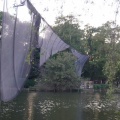
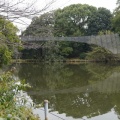
11月3日から、善福寺公園の上池を中心に、「野外×アート×マチナカトロールの森2026」という催しが始まっている。私はその会場で、草月流の師匠である中尾紫香さんが発表した「円福寺大橋」という大作に足を止めた。善福寺池の水面に、長さ五十メートルにも及ぶ布製の橋が架けられているのである。
しかし、それは私たちが日常の経験から知っている橋とは、どこか異なっている。橋とは本来、こちら側と向こう側を結び、人間がその上を歩いて渡るために造られるものだ。ところが、この布の橋は、人間をどこかへ運ぶという役割から解き放たれている。光が差し込むと水面に映る布の姿が変わり、風が吹けば、水面に描かれた弧が揺れながら、刻々と異なる形を見せる。そこには、完成された一つの造形ではなく、自然の動きとともに生まれ、また失われてゆく形がある。
中尾さんは、この橋を、渡るための橋ではなく、記憶のなかに架けられる橋として考えているという。私はその言葉を聞きながら、橋というものが、必ずしも二つの場所を結ぶだけの存在ではないことに思い至った。人間の記憶にもまた、すでに失われた場所と現在の自分とを結ぶ、目には見えない橋が架かっているのではないだろうか。善福寺池の水面に揺れる五十メートルの布の橋は、風に吹かれ、光を受けながら、見る者それぞれの記憶のなかへ、静かに伸びてゆくのである。
Since November 3, an event entitled “Outdoor
× Art × Machinaka Troll Forest 2026” has been taking place, primarily
around the Upper Pond of Zenpukuji Park. While visiting the exhibition, I
stopped in front of an impressive installation titled “Enfukuji Grand
Bridge,” created by Shikō Nakao, a master of the Sōgetsu School of Ikebana.
A fabric bridge, stretching as far as fifty meters, has been suspended across
the surface of Zenpukuji Pond.
Yet this is somehow different from the
bridges we know through our everyday experience. A bridge is ordinarily built
to connect one side with another, allowing people to walk across it. This
fabric bridge, however, has been liberated from the function of carrying people
from one place to another. As sunlight falls upon it, the reflection of the
fabric on the water changes. When the wind blows, the arc traced across the
surface begins to sway, revealing ever-changing shapes from moment to moment.
What emerges here is not a single, finished form, but a succession of forms
that come into being and disappear again in response to the movements of
nature.
Ms. Nakao has explained that she
conceives of this bridge not as something to be crossed, but as a bridge
constructed within our memories. Listening to her words, I began to realize
that a bridge need not exist solely to connect two physical places. Perhaps
invisible bridges are also built within human memory, linking places that have
long since disappeared with the selves we are today.
The fifty-meter fabric bridge, swaying
on the surface of Zenpukuji Pond, receives the sunlight and bends to the wind.
In doing so, it quietly extends itself into the memories of each person who
pauses to look at it.